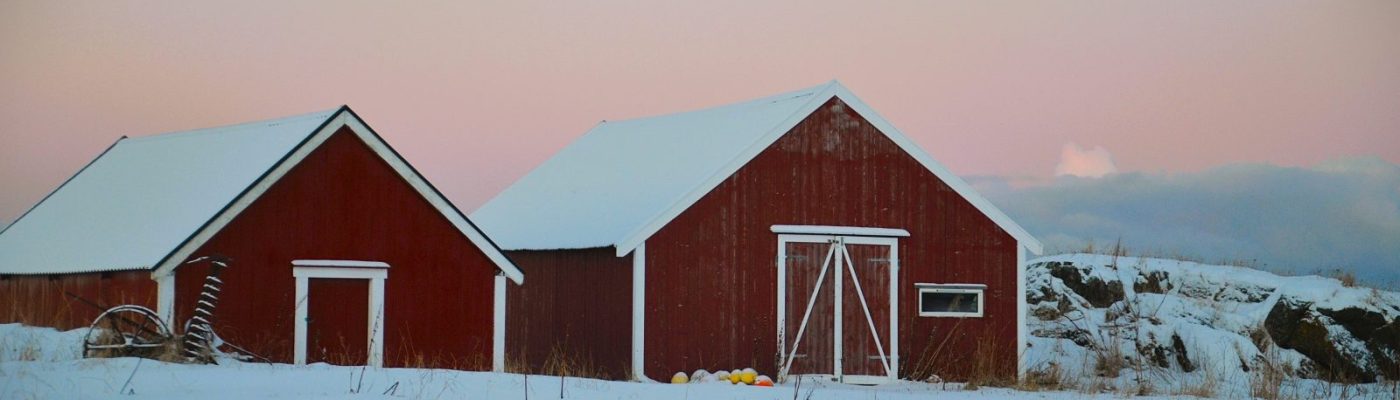
The travel photos don’t lie. Red is the colour of Norway, from old traditions to new trends.
Whenever I think of the colour RED, I think of Norway. It can be bold red houses against the snow white mountains of winter, or vibrant red outfits on the gnomes on the tables. It features in street art, fashion, and even some food. It is also the dominant colour of the Norwegian flag, complemented with highlights of blue and white. But for me, red is more than a visual prompt. It also evokes feelings of warmth, love, and passion among the Norwegian people. Everywhere we travelled, we met people who were so comfortable helping, as if it were a natural response to any situation. Nordmenn may not be the most flamboyant people in the world (though I can think of a few standouts), but they are easily up there with the most loving and generous. I am convinced they paint their houses red to match the love they share with their country. Sure, there are a few other reasons, but I said what I said.
Why Houses in Norway are Red
It makes for a great social media post: bright red boathouses pepper the coastline across the Lofoten Islands. Some of them are available as accommodation. Others are used as storage or even restaurants. No matter what time of year, you can easily spot the buildings from afar, as they contrast against the scenery. It is similar throughout Bergen, Bodø, and up to Tromsø. It’s such a regular sight that they have become the unofficial symbol of Norwegian tourism.
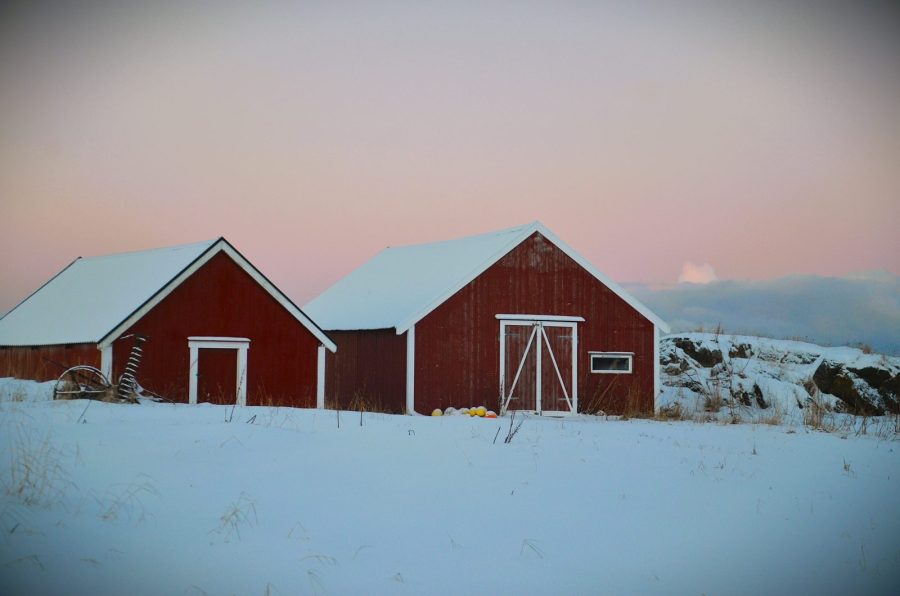
The common theory for the red paint is affordability. Initially, the simple act of painting one’s house was considered a sign of prosperity. Only the wealthy could afford to paint their homes, and the available paint was a bold, bright red, making it very noticeable. The red paint was made by mixing ochre (iron oxide) with cod liver oil. Norway is rich in many minerals, including iron. What started out as a rare status point soon became a trendsetter, as red paint became more accessible and affordable. The status indicator then shifted to yellow, then to white (which requires the more expensive zinc oxide). However, red never lost its appeal. It instead became seen as the ‘traditional’ colour, and less of a ‘money’ colour. Even the richest households would still paint their barns or storehouses red, saving their white paint for the prestigious home.
Over the years, other colours have entered the Norwegian palette: blue, green, and even purple! In many cases, red will still feature on the property, often in the form of a traditional storehouse or as a feature front door. There is also a certain practicality to the colour choice. Norway’s winter usually comes with a thick blanket of snow. In the midst of a snowstorm, particularly during the darker months, a bright red building significantly improves your chances of survival, like a bright beacon guiding you home.

Red for the Children of the Sun
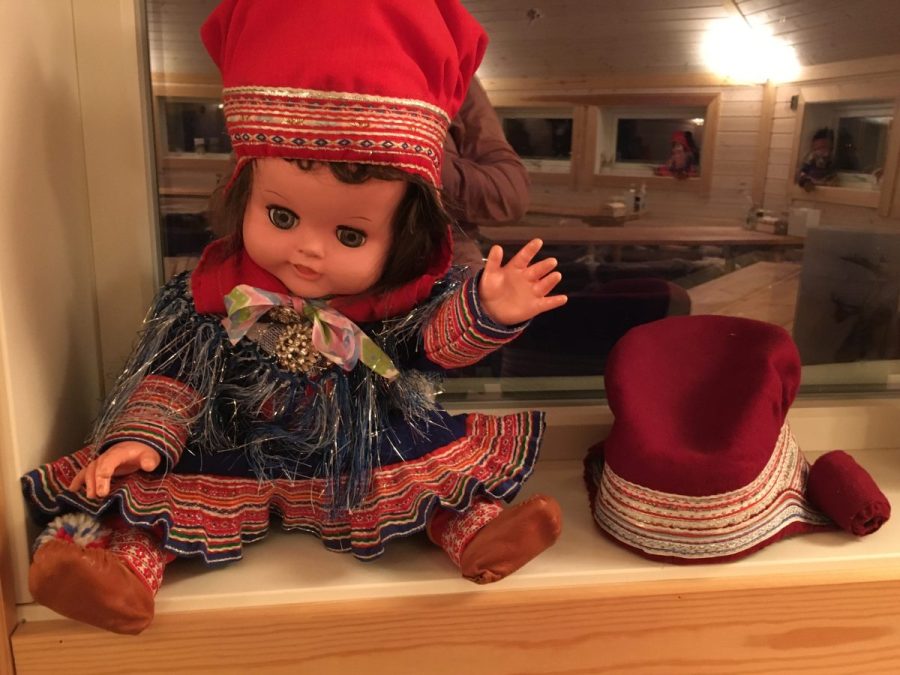
Red is also an honoured colour in Sámi culture. It is the colour of the sun, and the Sámi people are the ‘children of the sun’. In Sámi lore, they are the children of a female giant and a male offspring of the Sun, who bestow them with life force and strength. They honour this heritage by incorporating red into many of their clothing items, especially those for special occasions.
The Sámi people also used red ink to depict special imagery on their shaman’s drums. The red paint was made from an extract from the sacred alder tree. Each drum was painted with the unique experience of the noaidi (shaman), depicting their life, their family, and their environment. It might include reindeer herding, hunting, housekeeping, or travel to far-off non-Sámi communities. Unfortunately, many traditional Sámi drums were stolen by Christian missionaries during the 17th and 18th centuries. It was part of the ‘Christianisation of the Sámi People’, where the Sámi people were threatened with persecution for witchcraft if they did not convert to the Christian faith. To this day, the largest collection of Sámi shaman drums (70-80) is held at the Nordic Museum in Stockholm, Sweden. More recently, a number of Sámi shaman drums were returned to Norway as part of a repatriation. The drums were displayed through a travelling exhibition across Norway, including the Nordlandsmuseet in Bodø. It’s worth looking out for during your travels in Norway, offering a rare insight into the cultural expression of Norway’s First Nation people.
Little Gnomes with Little Red Hats
There is one more traditional display of red in Norway: the pointy little hats worn by gnomes. You’ll see these little fellas all over Norway, with their oversized hats covering their eyes, their noses sticking out, and their beards waterfalling down the front of their bodies.

In Norway, they are called Nisse (pronounced niss-er) and are associated with earth elementals. They are the guardians of the homestead, keepers of the hearth, and protectors of the balance between farmland and wild nature. Some believed they are the souls of ancestors from the farmland watching over future generations. Others believe the Nisse are older than that, dating back to ancient Norse mythology and being from the ground itself. No matter the story, the Nisse are considered neutral yet mischievous; often associated with goodwill and protection, they never cause outright harm to someone unless it is to protect others from great evil.
Traditionally, the Nisse wear a bright red pointed hat, the colour that connects them with the earth and their role as protectors. While other colours may feature in their clothes, every Norwegian I spoke to says there is a clear ranking of seniority, with red hats at the top.
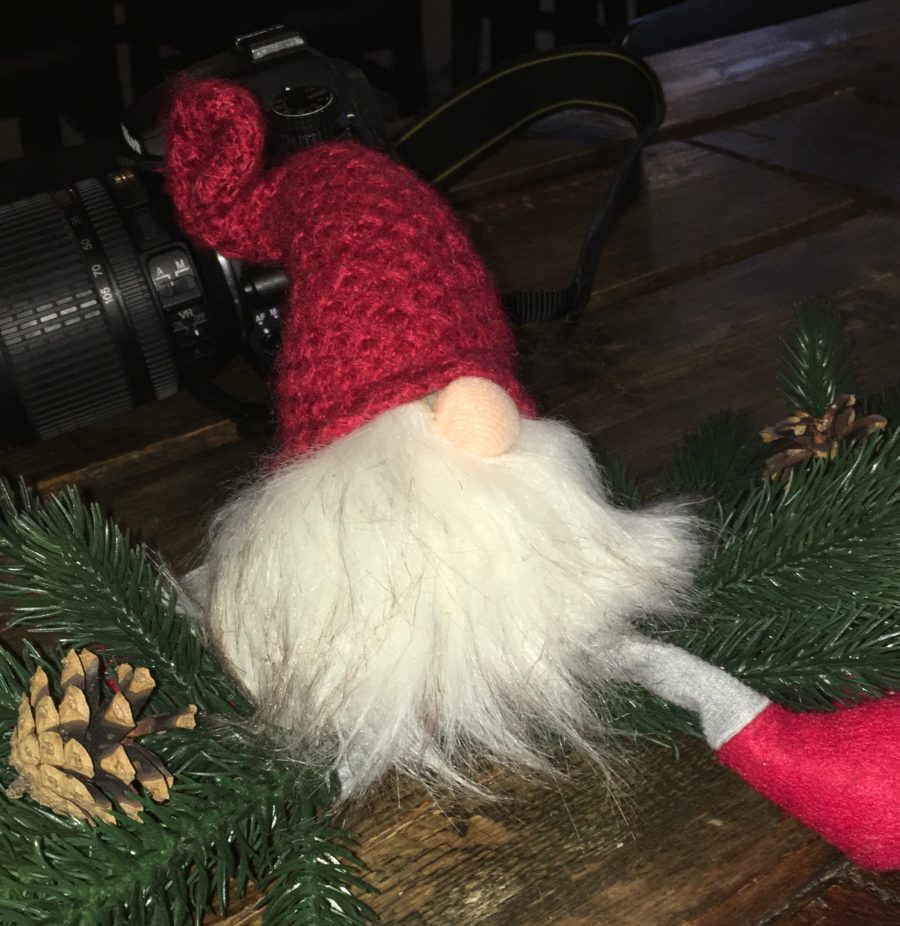
Today, Norwegian gnomes feature in almost every souvenir shop. When travelling with my then-12-year-old son, we soon came up with a list of various gnomes we saw and their potential purpose. We have a few at home in Australia, in an attempt to bring some of the good-natured memories back with us. In the meantime, we have found plenty of comparatives for the Nisse in other cultures, including brownies (Australia), pixies (Ireland), and yokai (Japan). However, the red for the gnomes is a distinct characteristic, and one that I always associate with Norway.
If You’re Looking for Red Highlights…
Travel photography is a passion and skill in itself. If you are looking to travel to Norway to see all of the red beauty, add these highlights to your list:
Stavanger: The Red Church of St Petri in Stavanger
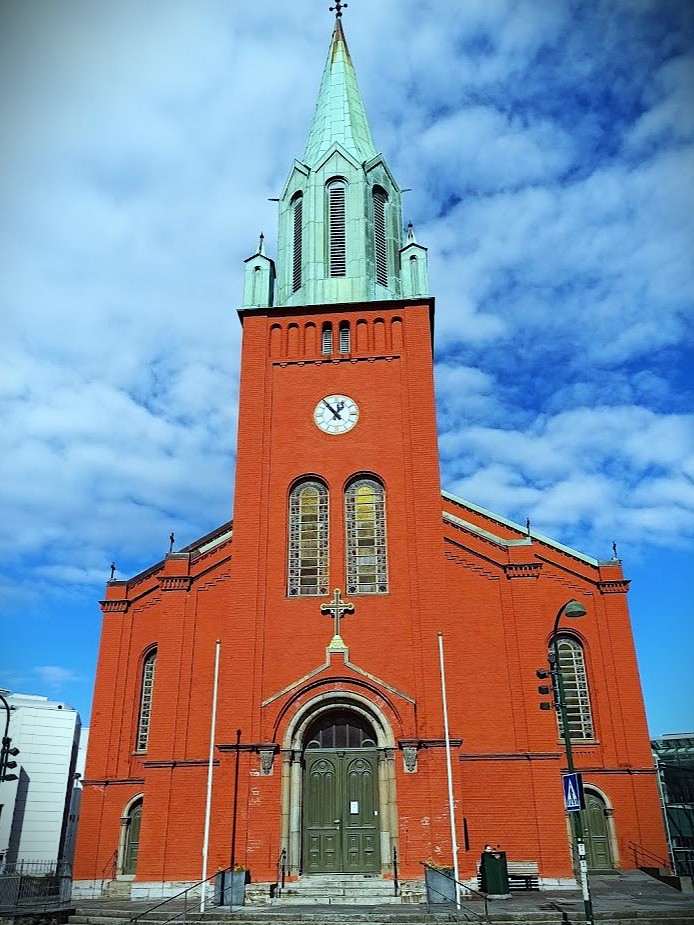
This iconic church stands out in the centre of Stavanger, thanks to its red brick and contrasting green copper bell tower. It is separate from the Stavanger Cathedral, Norway’s oldest cathedral, despite its many renovations and restorations.
Lofoten Islands – Rorbu or ‘Fishermen’s Cabins’
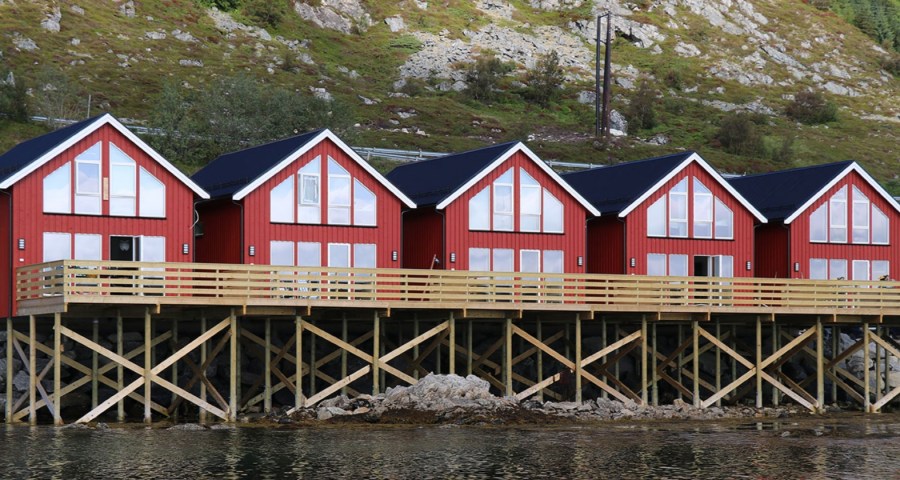
In 1120, Kin Øystein commissioned the first rorbu cabins to be built along the coastline of the Lofoten archipelago. The abundant fishing grounds attracted many fishermen; however, it provided very little shelter. The results were fairly basic: two rooms accommodating 20-30 people, painted with the most affordable and available paint that could be easily seen from the water. Nowadays, most cabins have been restored for an even more abundant market: tourism.
Bodø: Street art

One of my favourite artworks seen in Norway was a giant troll painted on the side of a building with a strong red background. Bodø has a thriving street art culture, in part thanks to the UpNorth Festival in 2016. A new project, NorlandiART, continues the legacy and encourages local artists to build upon Bodø’s open-air gallery. For more details and a map, visit the official Visit Bodø site here.
 Travel Better Life