Meet me in Canberra for a star-studded weekend. Bring your sleeping bag, your hot chocolate mug, and your love for all things astronomical. We’re camping amongst the stars, all within easy reach of Australia’s space community. Canberra is the launchpad for science and discovery: From the first steps on the moon to the deepest reach into space. This is Astrotourism 101.
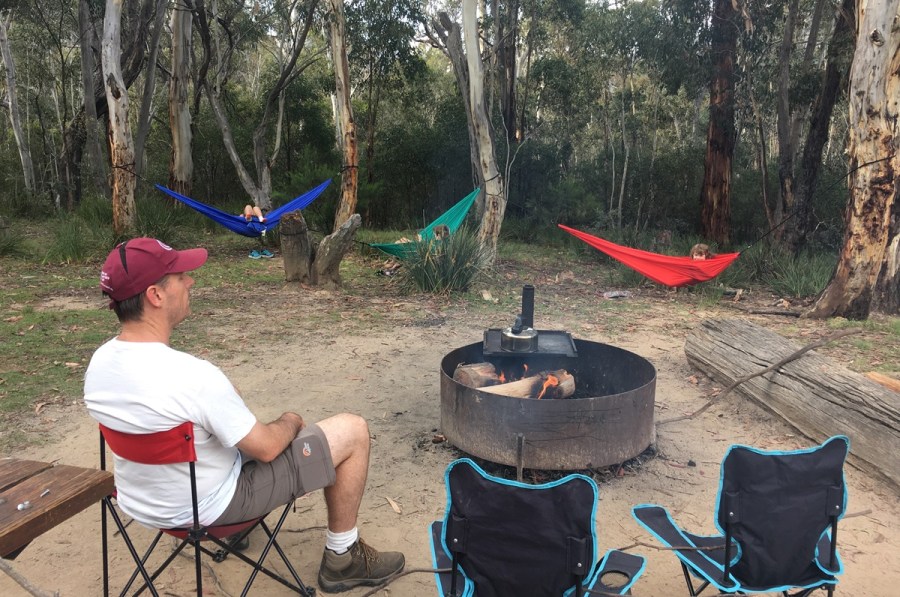
Honeysuckle Campgrounds
Grab your camping gear and jump in the car. It’s less than a one-hour drive from the heart of Canberra to the campgrounds; close enough for supplies but far enough away from the light pollution. All the same reasons to build the Honeysuckle Creek Tracking Station in 1967, and capture the first images of Neil Armstrong walking on the Moon.
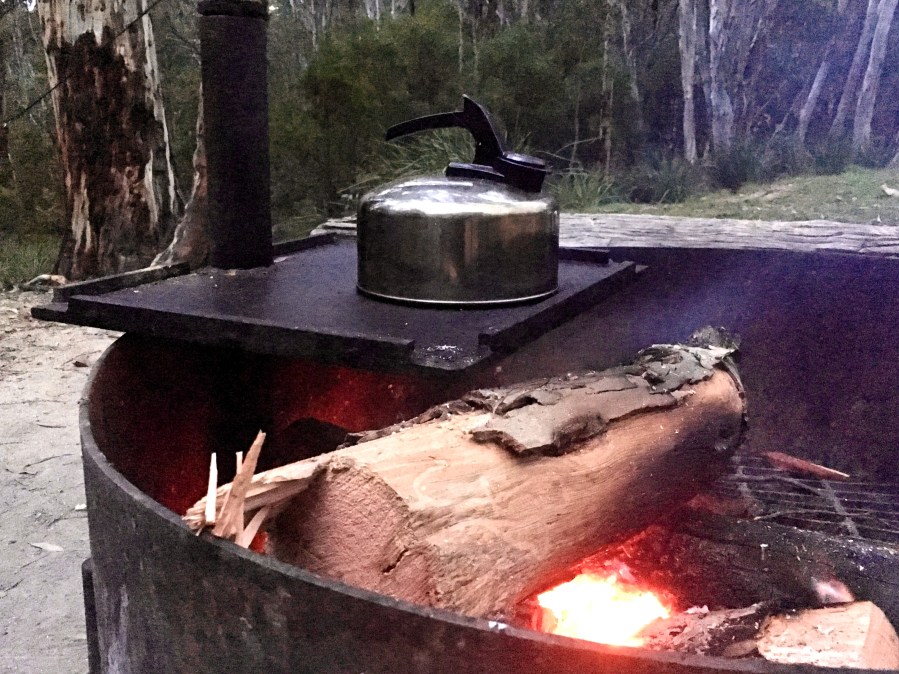
Did you think that was the CSIRO radio telescope in Parkes, New South Wales? The Parkes Observatory is 350km west of Sydney, surrounded by sheep farms, and carries an air of celebrity thanks to the Australian movie The Dish. It’s a great film, worth the watch, but not 100% accurate. Let’s set up camp first, get the billy on for a cuppa, and I’ll share the story around the campfire.
This is Ngunnawal Country, and we acknowledge the Traditional Custodians of the lands and waters here. We pay our respects to all First Nation Elders; past, present, and emerging, and extend that respect to all First Nations who share in this storytelling. This area is known as Namadgi, an Aboriginal name referring to the mountains southwest of Canberra. The First Nations people are the original storytellers, students of the night sky, and custodians of the land on which we stay. Before we watched a man walk on the Moon, we used to sit around campfires, look up to the stars, and share stories that walked across the sky. These stories inspire us to travel and explore deeper into space, starting with the Moon.
The Parkes Dish was invited by NASA to participate in the mission, mainly because it could provide better images than the NASA-commissioned dish at Honeysuckle. Kudos to CSIRO for its top-notch work. To be fair, NASA was happy to have a site in Australia to help. It was always crucial to the mission to have a station on either side of the Earth to ensure consistent communication with the astronauts at any time. At the scheduled time for the Moonwalk, the US site in Goldstone would not be able to receive any images at all.
Unfortunately, the astronauts were a little impatient with the scheduled time and didn’t want to wait around. Even more unfortunate, their ‘new arrival time’ coincided with the sudden hit of severe 110km per hour winds at the Parkes station, knocking the dish and impacting the signal. While the Parkes team desperately tried to save their dish and their role in the mission, Honeysuckle Creek Tracking Station jumped in for the initial nine (9) minutes, captured the essential first images and then transferred them to the Parkes Dish for the higher quality images over the next two-and-a-half hours. Honeysuckle truly saved the day.
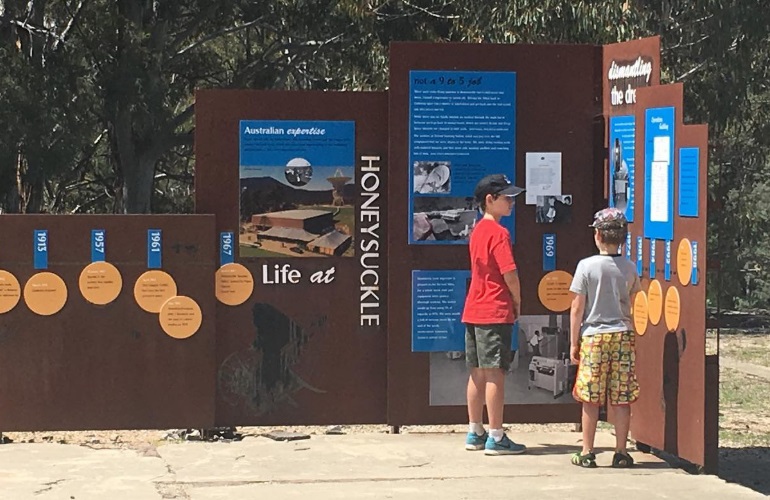
The tracking station was decommissioned in late 2009, with its antenna relocated to the nearby Canberra Deep Space Communications Complex (more on that shortly). In 2010, the American Institute of Aeronautics & Astronautics declared the antenna a Historic Aerospace Site. The concrete foundation is the only remnant of the tracking station, where you can walk around and read the history on displays. In 2019, to celebrate the 50th anniversary of the Apollo 11 Mission and subsequent Lunar Landing, Honeysuckle Campgrounds upgraded the historic displays to encourage more visitors to learn about Australia’s significant role in Space History.
Before sleeptime, take a moment to look up and appreciate that gorgeous sky. Away from the city lights, it’s perfect for a bit of stargazing. And to be fair, the Southern Sky is far more interesting than its northern counterpart. Sure, the Northern Hemisphere is filled with constellations that inspired multiple cultures of stories and imagery. But down south, we also have stars and constellations… and Magellanic Clouds, nebulas, the Jewellery Box, and my favourite: The Milky Way. I brought the tent, but what could be better than rolling out the swag with nothing between us and the sky?
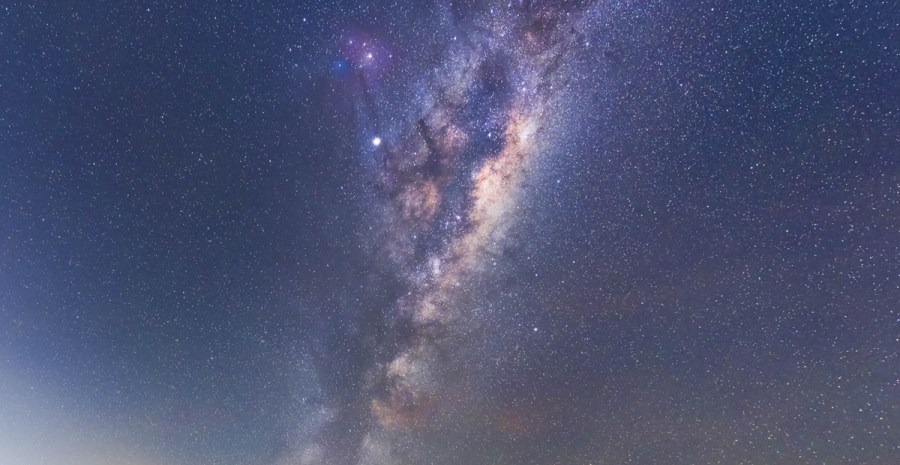
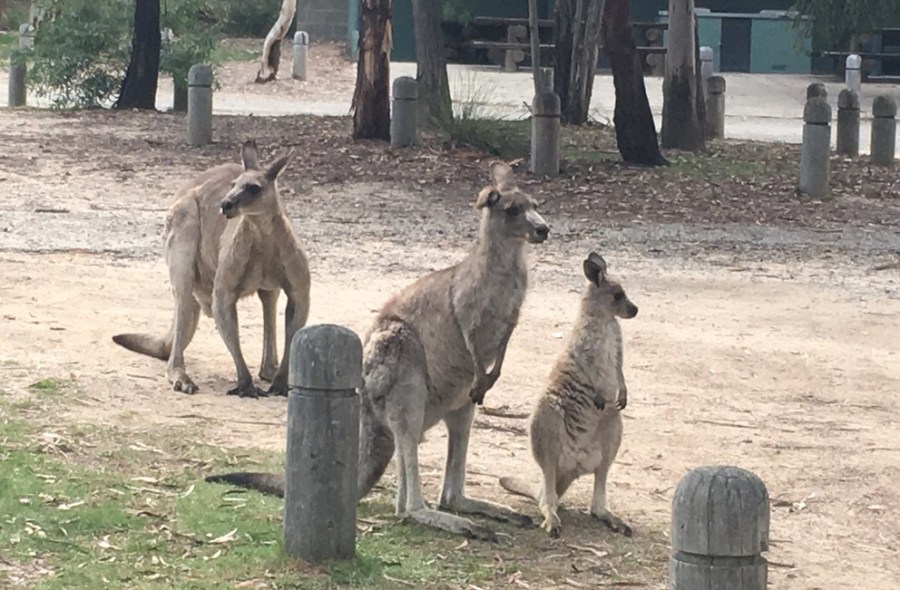
In the morning, we will wake up in this beautiful natural setting, possibly with a few kangaroos looking for their own breakfast. Take your time; breathe it in. We can hang around here for a second show later tonight if you want. There’s no rush.
Canberra Deep Space Communication Centre (CDSCC)
When you’re ready to leave, we will take the back road and visit the CDSCC at Tidbinbilla. It’s the resting place for the Honeysuckle antenna. Most of the Complex is closed off for security and space missions, but the information centre has a small display of space-related items, including some brought back from the Moon Landing.
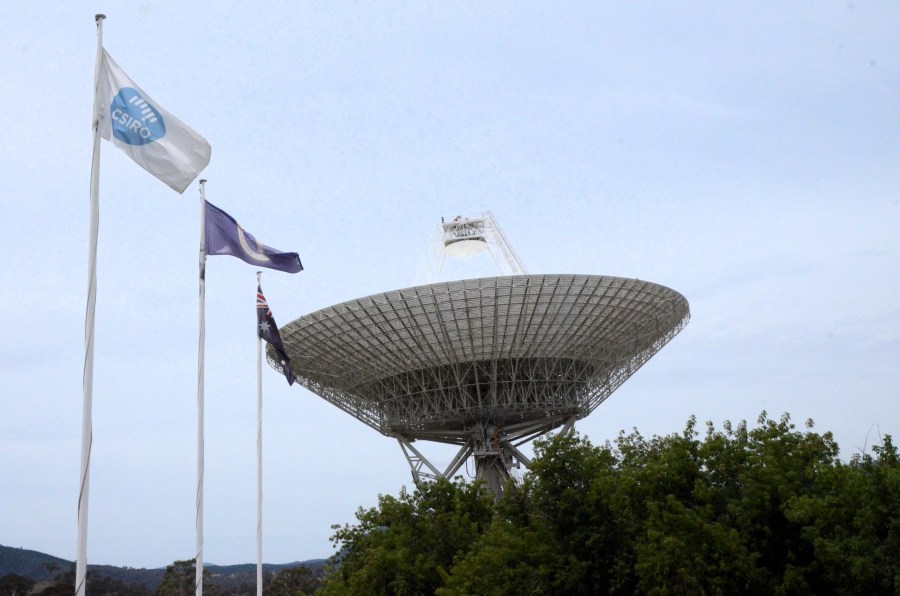
The CDSCC works with NASA as part of the Deep Space Network, supporting the broadcast of radio signals from various missions in space. For example, the CDSCC received the final message from Cassini before it plummeted into the atmosphere of Saturn. Try not to think of it as the place where space missions go to die. Plenty of discoveries are here, too–we just don’t have clearance yet.
The information centre is like a concentrated version of space history; it’s not big but has some fantastic information on display. I know your inner ‘space geek’ loves the attention to detail. Let’s make a sweet stop in the cafe before we head on to Mt Stromlo.
Mt Stromlo Observatory
Up the road from the CDSCC is the Mt Stromlo Observatory, one of the oldest observatories in Australia. It is also considered the hub of stargazing, blessed with clearer skies and less light pollution than the closest competitor in Sydney. Not that it’s a competition (…it absolutely is a competition).
Just past the main doors, you can see the iconic Commonwealth Solar Observatory building, or at least what remains. The building was gutted by bushfires in 2003. The fires devastated much of Canberra, changing the immediate environment for many years. Residents and regular visitors still remember the ferocity of the fires and the extreme weather changes for years afterwards.
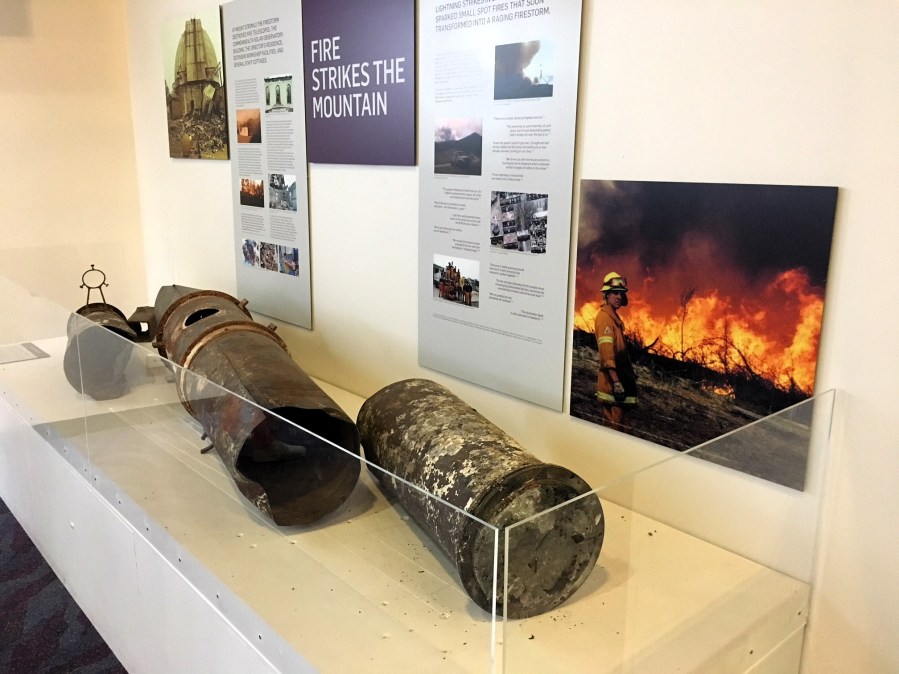
This was the observatory’s ‘Phoenix Moment’. Eventually, it was rebuilt and re-opened in 2007 with newer and even greater resources, bringing the Observatory to the forefront of space exploration. There are research activities and displays inside the building and a great open space outside. Touch the telescopes. Read the notes. See what was saved and what was rebuilt for future discoveries.
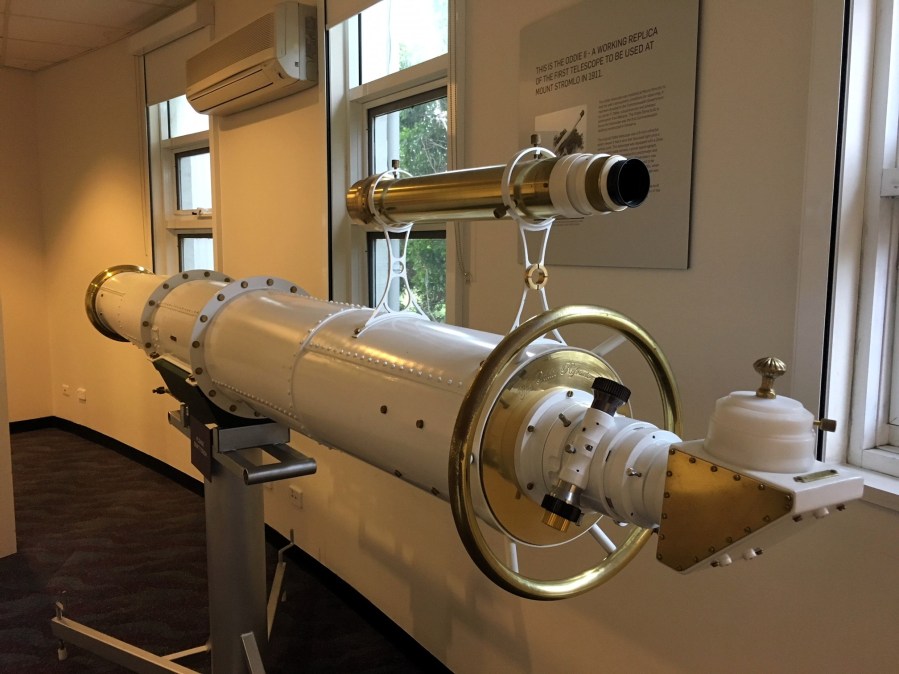
It’s a short drive down the mountain and back to Canberra. But it is a long moment in history, from First Nations to First Steps and maybe one day: First Contact? For now, I’m happy to share our space weekend with you, our sleeping bags, and the stars.
Canberra is the best Australian city for a space-themed weekend getaway. Located 280km from Sydney, Canberra is the national capital of Australia and is within its own Federal territory (Australian Capital Territory, or ACT). Driving three (3) hours from Sydney is easy, but it is faster to fly and cheaper to catch the train. Honestly, it feels more like a big town than a capital city, yet it is Australia’s most carefully planned-out city.
As the home of the Federation, Canberra has most of the national sites that draw travellers every year, including the Australian War Memorial, the National Art Gallery, and the National Botanical Gardens. Mt Stromlo Observatory is Canberra’s most popular astronomical site. It hosts many academic and scientific observations, including students and researchers at the Australian National University (ANU), just a few suburbs over. While the nearby CDSCC is less well-known, it is a key part of Canberra’s larger space/astronomy community. Travellers wishing to keep the astrotourism theme should add a visit to Questacon, the National Science and Technology Centre. It has more than 200 interactive exhibits across seven levels of themed displays, all related to science and technology. It is a highlight for every school camp that visits throughout the year… and every adult who returns to rediscover how cool it still is.
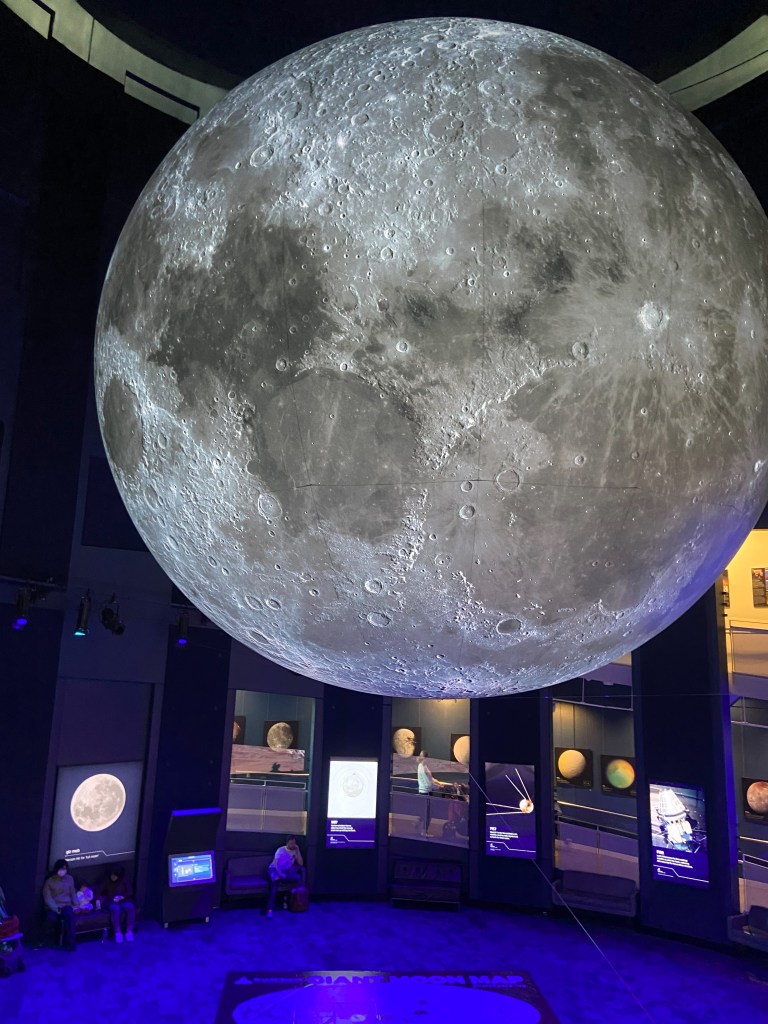
Honeysuckle Campgrounds offer an excellent site for travellers who want to experience Canberra’s grand night sky. Located less than an hour’s drive from Canberra and 17.5km from the Namadgi Visitor Centre, where you can pick up firewood. You will also need to bring your own water and supplies for camping. There are a few gas barbecues on site, as well as pit toilets (BYO paper), firepits, picnic shelters and car parks. There are no bins, so please take your rubbish with you. It is not recommended for caravans or large vehicles, and drones are not allowed under any circumstances. Bookings are required and can be made through the ACT Parks and Conservation Service website here.
 Travel Better Life