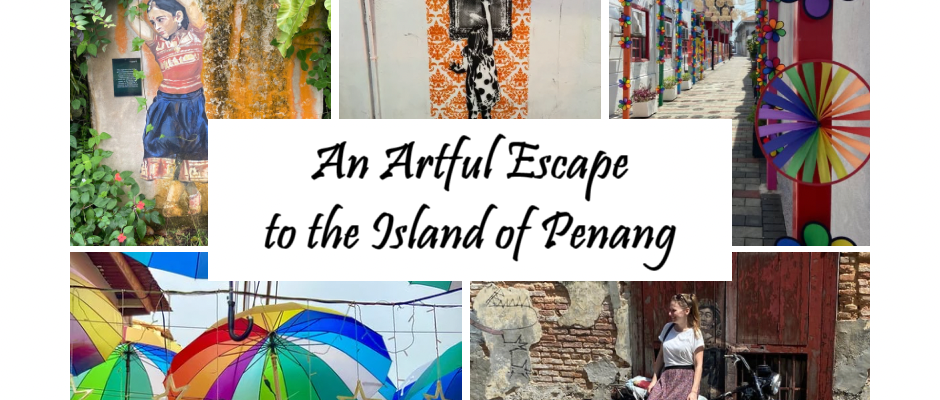
The Malaysian getaway that adds creative flair to your Calmcation
Let’s be honest: I don’t need a reason to travel. Give me the transport options and I’m already packing. I can easily find reasons: curiousity and adventure, quality time with family, work research, connecting with history, and many more. My trip to Penang (Malaysia) gave me a new reason: better mental well-being, and possibly ward off dementia! Who would have thought an art-filled holiday could offer so much? Thanks to recent research and the growing trend in calmcations (or self-styled retreats), I discovered a vibrant artistic side to Penang and gained some serious health benefits.
The key is to engage all the senses and awaken the mind. Many of us already do this. Think of the food you eat when travelling. The sounds of a marketplace. The feel of snow against your skin. Each of these is a sensory experience that contributes to your travel memories. The next step is layering, bringing together multiple senses with this memory. Feel the texture of the naan with the flavour of the massaman. Listen to the sounds of ferries and smell the salty air as you look across the busy harbour. Interestingly, this is where calmcations and artistic experiences can reinforce your travel memories and potentially help you stave off dementia. While I have always sought new ways to reinforce my travel memories, Penang was the first time I truly indulged in this topic. The island’s diverse art culture gave me a whole sensory experience and, I have to admit, some of the strongest travel memories I have yet. Even though I didn’t travel specifically for an ‘artists retreat’, I gained much from workshops, lessons, and simply exploring. It’s now my go-to recommendation for anyone looking for an artful calmcation.
Dementia and Alzheimer’s Disease
Recently, Dementia has touched my family. I was left to question my own sense of identity and realise that my travel memories are a big part of who I am. Dementia is a progressive brain condition that affects how you think, behave, and eventually your everyday living. It’s not just forgetfulness. It is the ongoing deterioration of connections within your brain–the connections that make you who you are. Often, dementia is portrayed in pop culture as another form of Alzheimer’s Disease, plagued with forgetfulness and vulnerability. While more than 50% of people with dementia will have Alzheimer’s Disease, the two are not the same. Alzheimer’s is but one of many causes of dementia. The good news is we have ways to potentially treat and possibly prevent it.
I have been following research in this area since 2018, when I was interested in learning how reading can help prevent Alzheimer’s disease (I wrote about it for Book Riot here). More recently, I found some research from Monash University that looked at which activities are most likely to help ward off the disease. The common elements were literacy and mental acuity tasks; a great example is travel journaling. This research also connected with earlier studies on reinforcing memories by engaging in multiple sensory experiences. The broader the experience, the more ingrained the memory becomes. For example, taking a photo helps capture the visual memory with a bit of ‘touch’ as you hold the camera. However, if you were to draw the scene, it’s more than touch and sight. It’s movement and analysis. You slow down and listen to the sounds around you, feel the temperature in the air, smell the aromas. It doesn’t matter how much you love or hate the result; the experience of doing this keeps your brain active. When you include this in a travel journal, you round out the experience with words that describe the scene–words that are personal to you and can ignite fresh memories.
Why Penang for an Artistic Getaway?
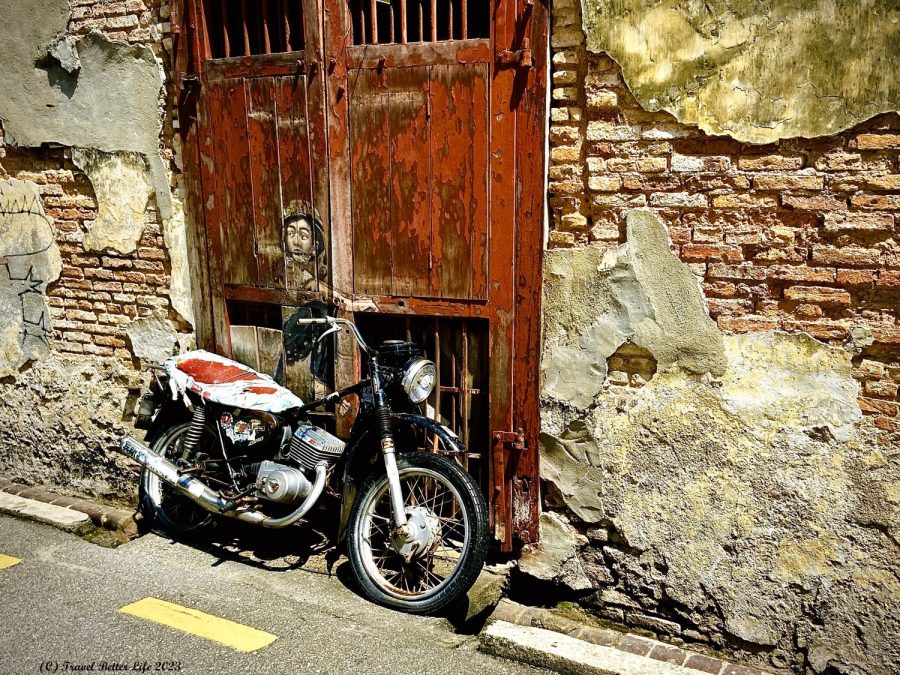
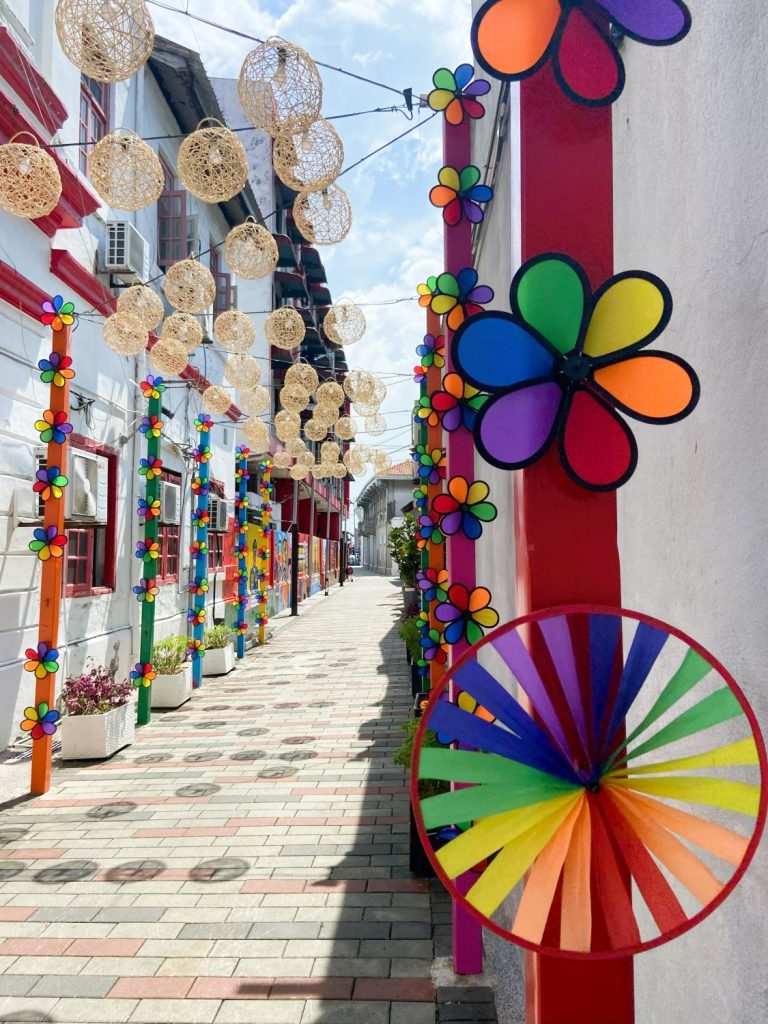
I have a small confession. Penang was not initially a Must-See on my travel wishlist. My visit was more opportunistic than anything else: cheap flights were available, allowing me to research a new area for work. It, however, ended up being one of the most incredible opportunities in my career and, subsequently, my mental health. Initially, I planned around the food and the street art, but I quickly realised that this was only the surface of Penang. These were the features every daytripper sees on a cruise ship or short-term visitor on their way to Langkawi’s beachside villas.
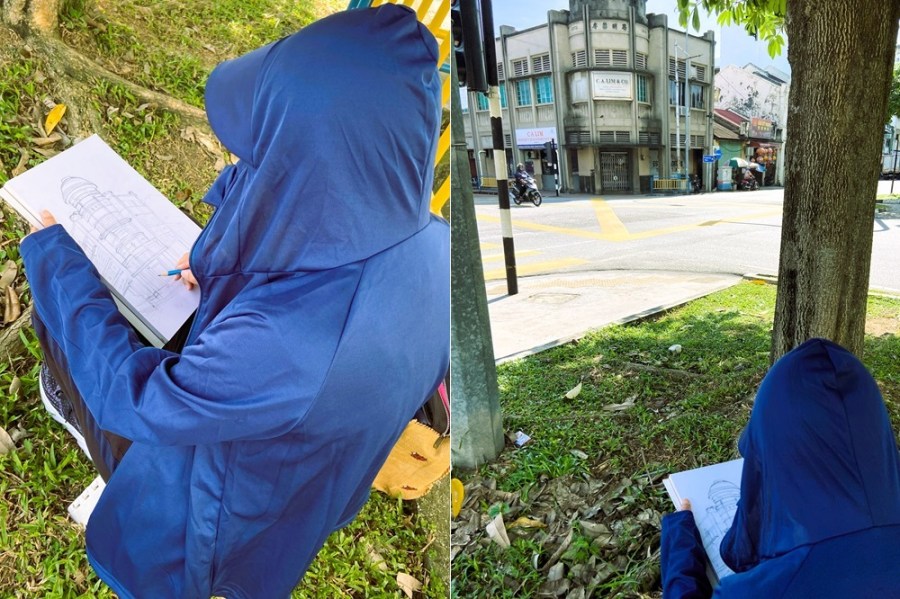
Throughout George Town and across the island, there are communities of artists who share their craft with others, including travellers. I found art students on busy streets sketching colonial buildings, always willing to share tips and notes with anyone who stopped to ask. The Hin Bus Depot is set up as a collective of artisans partaking in workshops, exhibits, and market stalls. Many of these workshops are interwoven with stories and experiences that explore the diverse, multicultural identity of Penang and Malaysia. Each time I met with the artists was a full-blown experience of life, art, and joy. If the research is accurate, then my travel to Penang fired off enough synapses to keep dementia at bay for years to come!
Dorothy Jen Atelier – Silvercraft Workshop
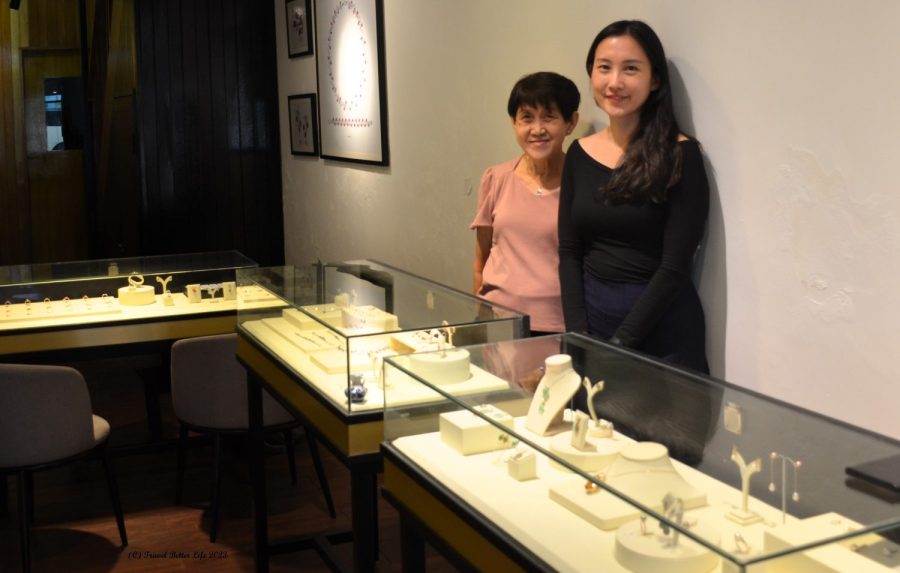
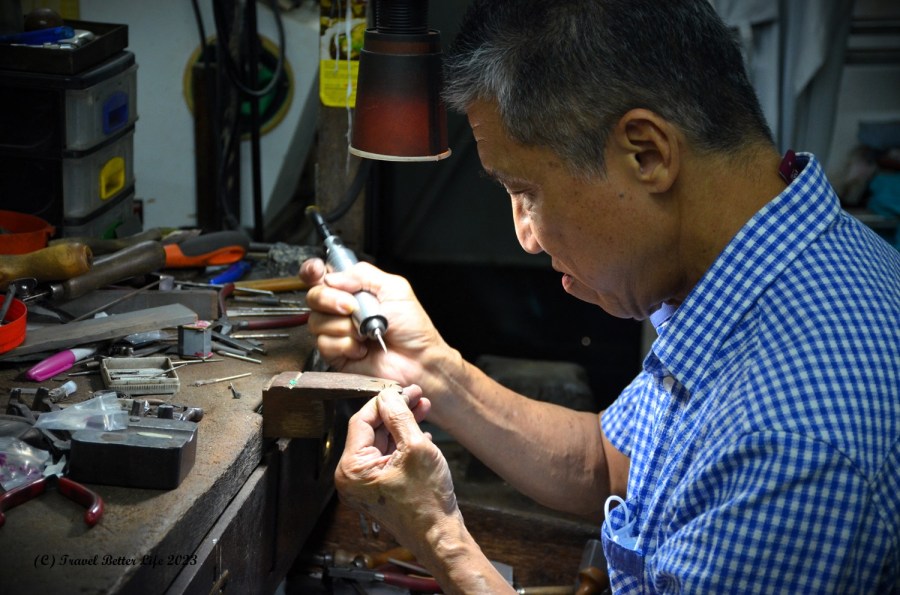
My first stop was with Dorothy Jen, an atelier and jewellery master. Dorothy comes from a family of jewellers and traders, bringing traditional skills to contemporary styles in a way that preserves her cultural heritage. Dorothy is also a master storyteller, spending some time as a travel presenter and learning how to craft her words into a colourful narrative. I happily spent hours talking with Dorothy about jewellery and history, especially how she brings them together in her jewellery workshops. From animal charms to earrings and cufflinks, every workshop creates a unique souvenir you make with your own hands; good for both the body and the mind. The real gift, however, is listening to Dorothy share her stories while you are making your unique item. Visit her website here for details on workshops and calendar availability.
Lokarisma – Pottery Class
On the other side of the island, I found Lokarisma. It’s located in Bulik Pulau, which actually translates to “other side of the island”. Lokarisma is the pottery studio for Amirul, both a teacher and a student in the art of clay. You can find his beautiful ceramics at various markets around the island. Personally, I think he is equally skilled at sharing this beauty in workshops with school students, travellers, and anyone else interested. There is something soothing about working the clay with your hands, shaping it into a cup, and marking it with your own personal symbols. Amirul takes the time to show each and every tool you can use to work with your creation. Each step is shared through his experience, talking about the lessons he learnt along the way. To be fair, my final product looks more like a wonky soup bowl than an elegant tea cup. However, each time I hold it, I instantly remember the feel of the clay, the humidity of the studio, and the warm words of kindness and support from Amirul. It feels like Malaysia, and it’s mine.
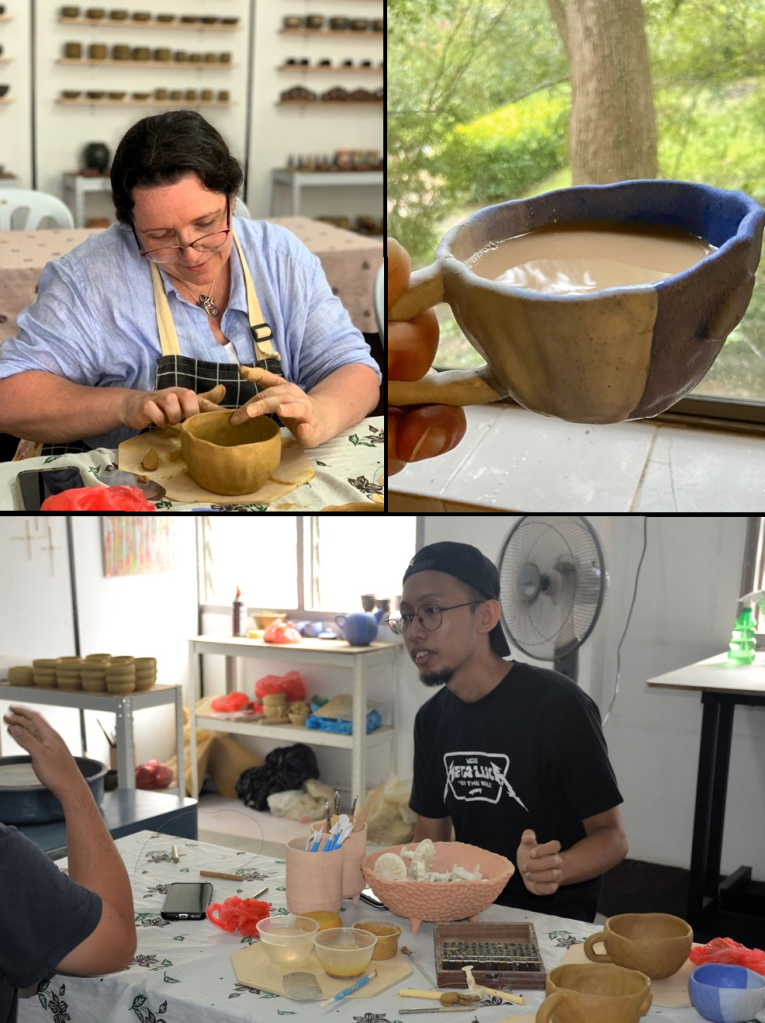
The workshops are usually two (2) hours long, but the final product may take up to a month to be ready for collection. You can contact Lokarisma directly through the website here.
Pearly Kwan – Penang Homecooking School
You can’t truly visit Penang without savouring the local food; it’s an art form! There are street hawkers with Michelin stars and international chefs who visit regularly in an attempt to unlock the secrets of this multicultural melting pot. But taste can fade over time, and it’s hard to replicate the same flavours at home without some local knowledge. Cooking classes with local chefs can strengthen our memories of travel, especially for a place like Penang, with a reputation for fantastic food. Pearly’s cooking class was so enjoyable, I am now determined to do a local cooking class every time I travel. For Pearly, knowing where your food comes from and what to do with it are equally important.
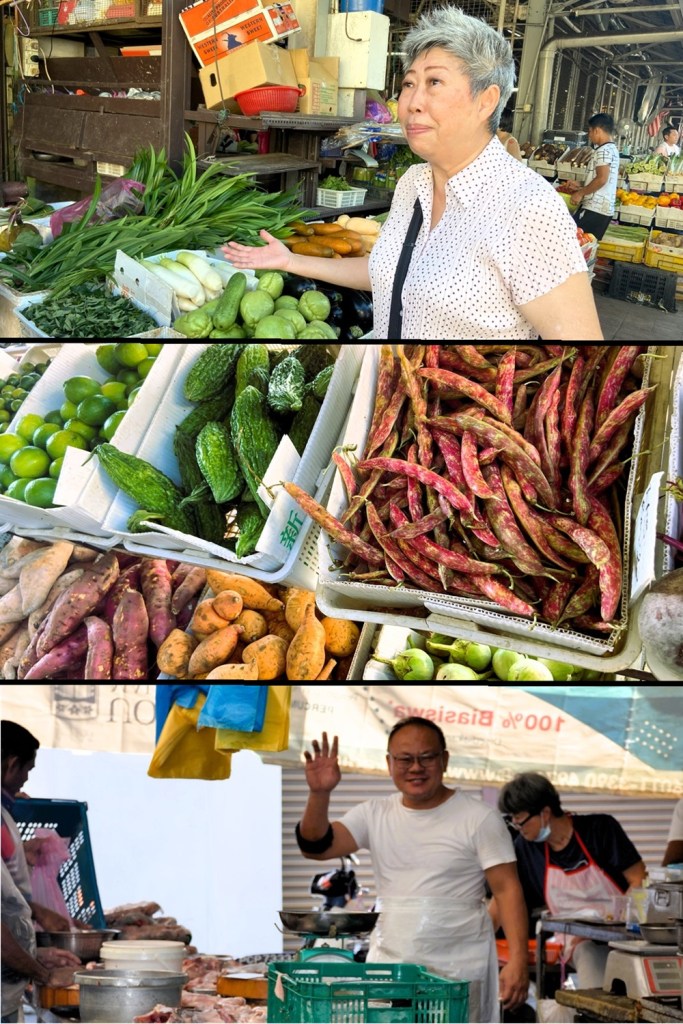
Her class starts with a tour of the local wet markets, taking the time to identify each ingredient we will use in our dish. Pearly knows what to look for, from leafy greens to freshly caught seafood. The market tour is filled with sounds, smells, and sights. She talks with every vendor, asking about the produce and deciding how it works best in her cooking plans. Back in her kitchen, Pearly shares a blended history for each dish; the history from the locals, and her own story from her family kitchen. It’s fantastic to have the hands-on experience cooking my favourite Penang hawker food. Pearly glides around the kitchen, gently advising the best way to cut, chop or squeeze various ingredients. From now until forever, Penang cuisine will always be served with a wedge of lime–no lemons, thank you. That’s not Pearly’s way. Even now, the smell of lime juice takes me back to Pearly’s kitchen with a sense of wonder and calm.
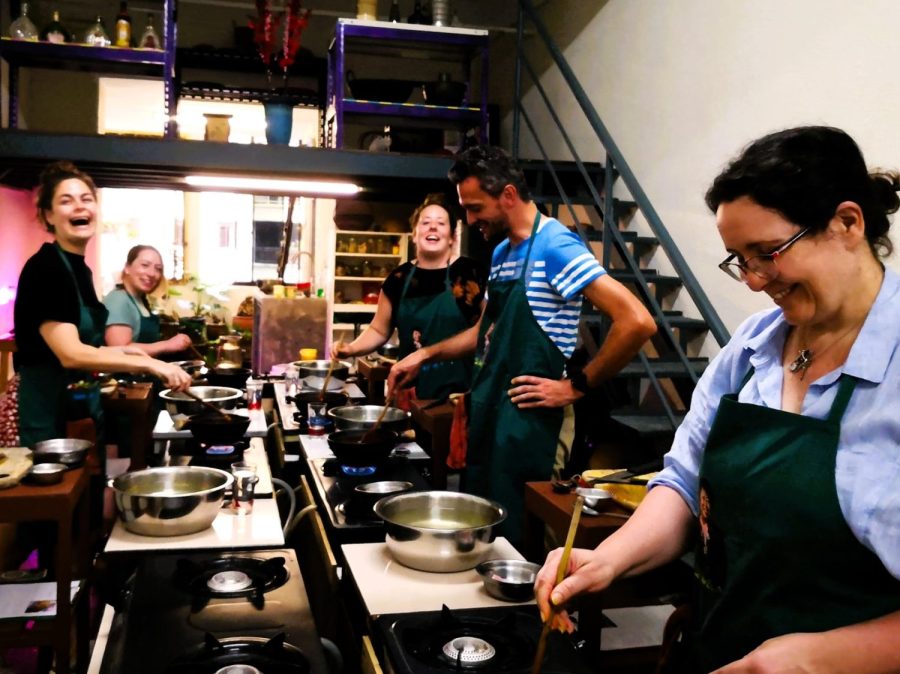
To sign up for one of Pearly’s local food cooking classes, visit her website here.
How to Bring the Artist Experience Home
If we are going to be serious about the relationship between travel and mental health, we must find a way to bring these experiences home. Research shows certain activities work better than others, focusing on mental acuity, or the clarity of your mind while you are doing. Travel journaling was our previous example: it combines literacy skills with storytelling, visual cues with photography or art, and fine motor skills when assembling pages.
For me, I’m cooking a wider variety of meals (including Pearly’s ‘Curry Kapitan’) and sharing the cooking experience with my family. It has also encouraged them to explore their own recipes, such as our eldest child’s solo travel to Malta and Italy–I’m eagerly awaiting his turn to make Maltese pastizzi from scratch.

I try to drink regularly from my special Lokarisma cup (even though it was technically a gift to my husband). Chai works really well, probably because the spices remind me of walking through ‘Little India’ near my accommodation in George Town. It’s a great way to connect the smell and taste of Penang with the feel of my wonky cup.
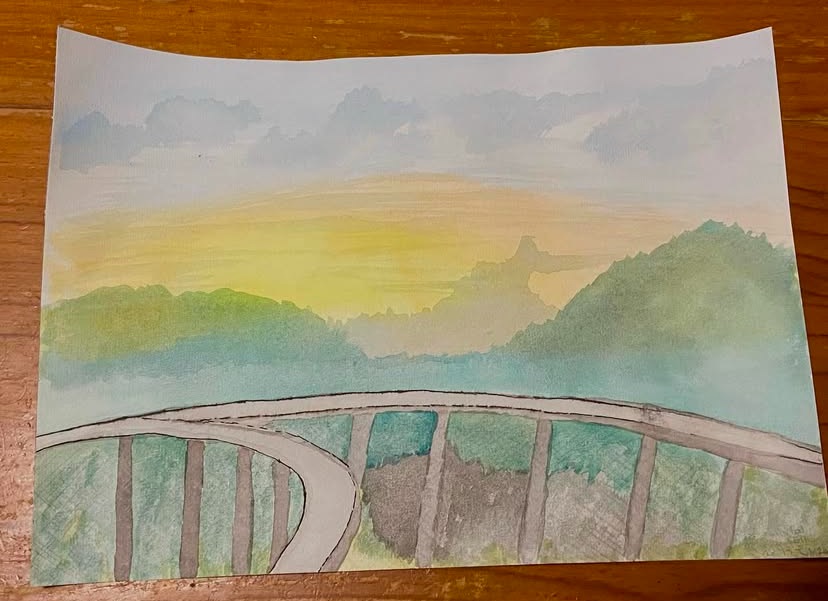
I have also taken up watercolours and sketching, learning from the street art I saw around the neighbourhood and the students I met. I try to include some art time at least once a week, either with the local scenery or working from old travel photos. All of this adds to my travel journals and inspires me to think differently about my next adventure.
There is no guarantee that any of this will stave off dementia. However, each of these activities can only add to the experience. Every time we engage with genuine connections during our travels, we improve our mental health. It may feel like a trend, but calmcations are a great idea, and one that I hope stays for the long term. Penang unlocked a plethora of artistic opportunities for me, and encouraged me to be more proactive with my wellbeing. Perhaps that is a good place to start for you, too.

If you’re looking for some travel tips:
- Accommodation: I stayed at The Frame Guesthouse, a ‘heritage stay’ hostel on Lebuh Chulia, George Town. It is 5 minutes from street hawker night markets and central to the iconic street art culture.
- Food: I lived off street hawker food, markets, and small local cafes. Penang’s local food scene is outstanding and world-renowned.
- Transport: Buses are reliable, and there is an excellent app for downloading timetables and tracking. They go almost everywhere on the island, including Bulik Pulau. Lots of travellers hire scooters, but the traffic is a bit intense—less than in other Asian cities but more than in most island communities.
- Climate: It’s hot and humid, but if you can stay out of the sun–it makes a huge difference. Wear a hat, carry water, and consider a parasol if you have a free hand. It’s better than Singapore but more humid than Cairns (Aust).
- Cost: One week, including ALL costs and flights from Sydney to Penang with Scoot, cost me AUD$1,000.00. All workshops were paid for, and all artists were paid for their services. I received no complimentary services during this trip and paid for all experiences.
- Any regrets? – I wish I bought the notebook at WRITER in P.66 in George Town. It would have been the best travel journal for this adventure.
 Travel Better Life