This article was originally published with World Footprints in June 2020; the original can be found here.
Travel is the greatest educator. It is the greatest opportunity to open our minds and give practical application to anything we could ever learn in a classroom. However, it is a complete package. With great travel comes great responsibility… or something like that. As travel-loving parents, that responsibility includes teaching kids about Responsible Travel. We need to show them how to give back as much as they will receive from the experience.
What is “Responsible Travel”?
Responsible Travel is far more than the phrase “Take only pictures; Leave only footprints.” It is an attitude that goes to the core of our travel. It is recognising the local impact of your travel; both your impact on the local community and the inevitable impact it will have on you. That’s what makes it so important to teach kids. If they understand how to travel responsibly from a young age, they will carry the insight of a global community with them for all of their future travel.
It’s not just me saying this; research from SYTA shows travel provides a greater depth of understanding of the world around us which in turn can improve education performance. But if you’re here reading World Footprints, then you already know about the benefits of travel. And it is so easy to teach these same lessons to kids.
Consider Your Transport
Whether you’re planning an immediate local escape or dreaming of a far-away respite later in the year, you will have to think about transport. And this is the first opportunity to show kids the impact their travel choices have on the world around them.
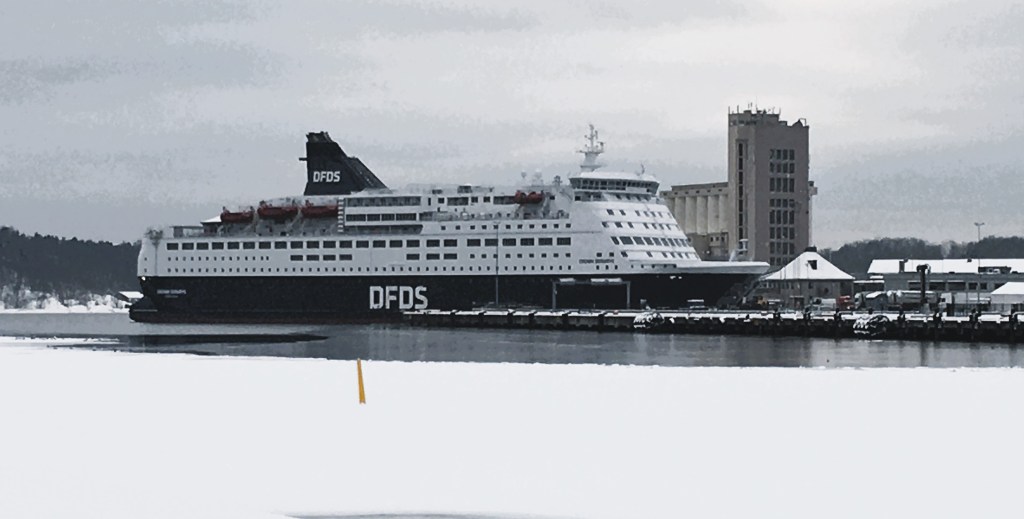
Greta Thunberg famously renounced all air travel to reduce her travel impact on the world, using boats and trains as her primary transport. However, this task is made a little harder by geographic isolation. For example, my then 12-year-old son and I travelled from Sydney (Australia) to Denmark and Norway in December 2021. Not exactly the easiest route to make without airlines. To encourage our responsible travel, we chose to fly the most direct route to Denmark and then travel by ferry and train wherever possible within Scandinavia before flying home again. While not ideal, it did reduce our travel impact on the environment. Many of the ferries and trains in Scandinavia are specifically designed to make the most of sustainable travel technology. Using the local transport also supports the local community and gives our kids a greater sense of the land they are visiting, rather than just a destination.
Choose Local and Sustainable Accommodation
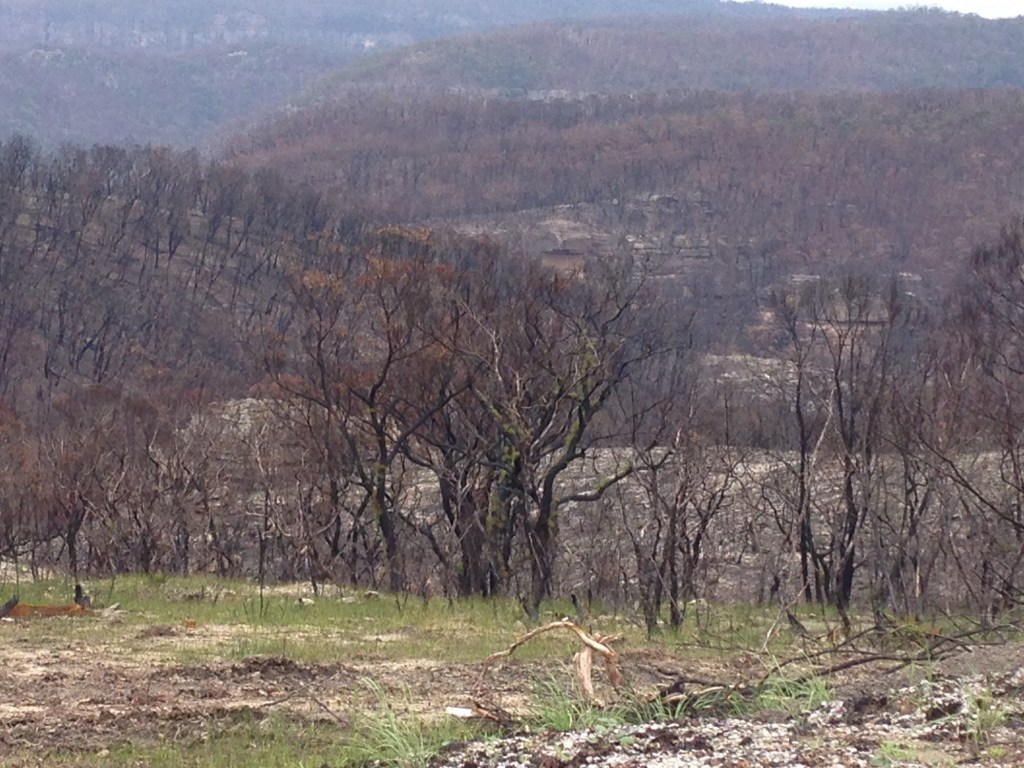
Understanding the difference between ‘destination’ and ‘community’ is a key part of teaching kids responsible travel. Choosing a community-focused accommodation will teach your kids to see the impact their travel has on their destination. It is also important to consider eco-friendly lodging and suitability for families with children. Small B&B’s and hostels are my favourites for exactly these reasons. Recently, we were invited by YHA to stay in their Blue Mountains Hostel (NSW, Australia). It was a perfect opportunity to support one of many post-bushfire communities with some much-needed tourism dollars (another benefit of responsible travel).
To be honest, I couldn’t have asked for better accommodation for the family and our lesson in responsible travel. Our kids absolutely loved the old building and enjoyed playing amongst the historic rooms; the old cabaret theatre gave real character to the building. Having a tangible and historic connection with the town cemented the feeling of community. While the kids were playing in the game rooms, I was chatting with Kerrie, deputy manager of the YHA and former Rural Fire Volunteer. As she shared stories about previous bushfires and the recovery, I could see the importance of our patronage to her community. Sure, the money helps but it’s more than that. It is important to share their town with people who appreciate its beauty and everything the locals love about their home.
Eat Local – Local Business with Local Produce
The best food we have ever had while travelling always seems to come from local produce and local business. Pick up a burger from the closest fast-food chain and it will hardly register. However, try the street vendor around the corner and suddenly it hits the Top Five Highlights of My Holiday. Food can often be so intricately tied with the local culture and customs that it becomes an experience within itself.

Local markets are the most fascinating place to start your exploration. Learn about the local produce, speak to the farmers, and discover local traditions with the food. All of this gives insight into the environment and how it shapes a community. Best of all, it supports local businesses and reduces the carbon footprint on transport for the food as well.
Learn About The Immediate Environment – Wildlife, Weather, and Walks
Speaking of the environment, responsible travel is not just about doing environmentally-friendly activities. It means an awareness of the environment around you. Go outside, take that walk, and understand the landscape. It’s the best geography lesson you could ever have.
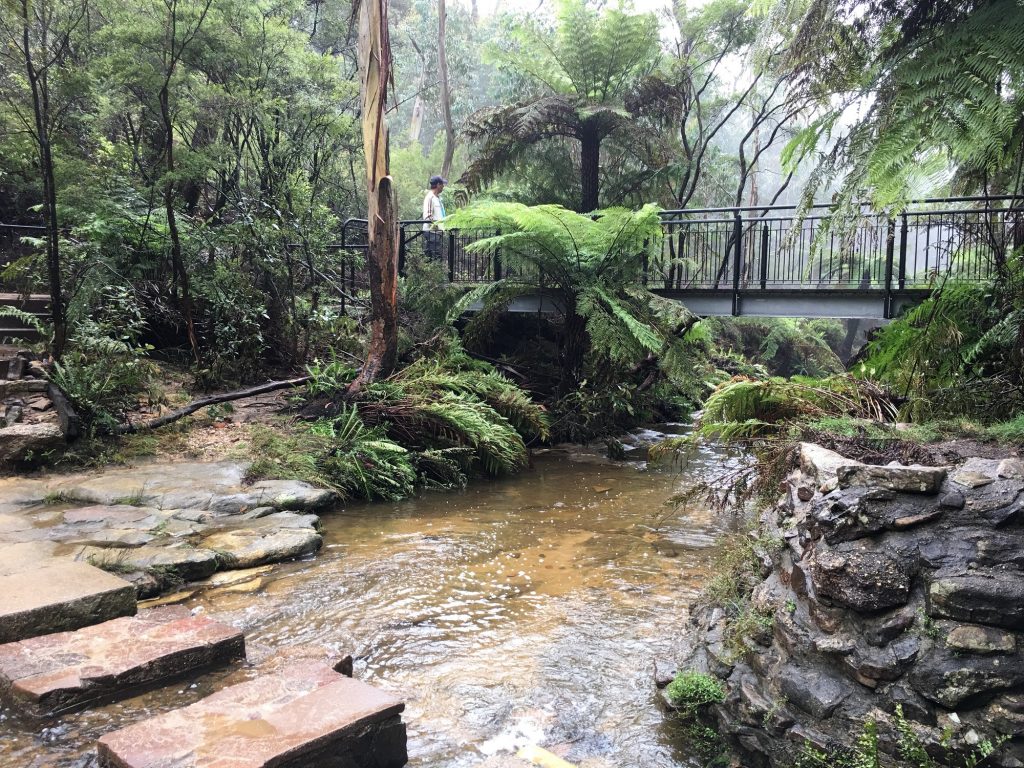
This includes taking in the weather, in all its unpredictable glory. Travel adventures rarely stick to the plan and it is important to show your kids how to appreciate the environment and not just the destination. For example, our visit to the picturesque Blue Mountains happened to be shrouded in rain clouds. The usual spectacular view of the Three Sisters could not be seen nor the blue eucalypt mist over the valley. And yet, it was still the most amazing adventure weekend we have had in a long time, thanks to the locals sharing their secrets about how they enjoy all types of weather in their community.
Pack Light and Reduce Your Waste
My dad had a very simple rule: If you can’t carry it, you can’t bring it. Yes, this rule applied to kids and their own luggage. Let’s face it: Most of the stuff we pack ends up being distractions. Keep it simple and encourage the kids to find more in the local environment. Once you point out the priorities of their travel, kids can be quite efficient with their packing.
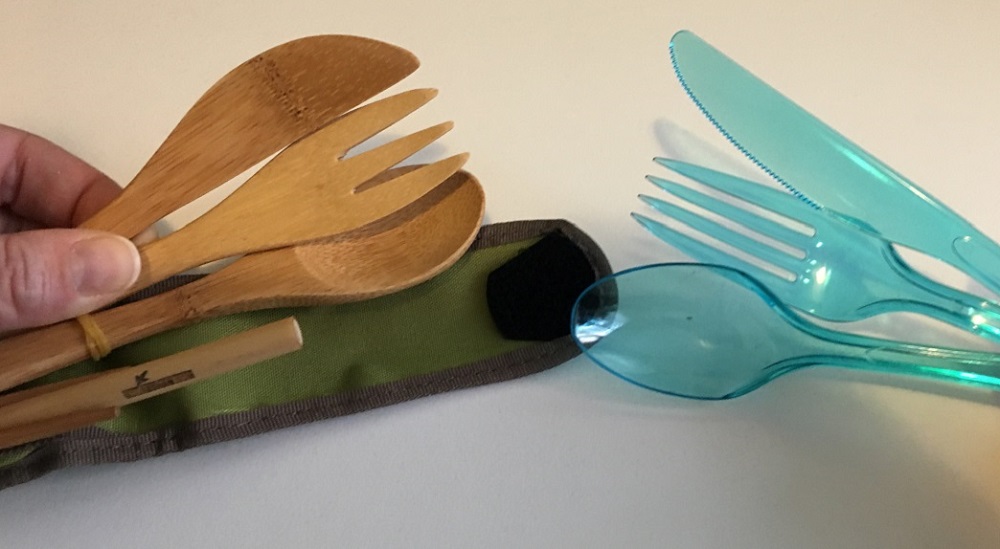
This includes things like toiletries as well. Kids are fairly low maintenance. They really only need the bare basics of soap, toothbrushes, and toothpaste. Find eco-friendly versions of their items and keep the load light. Plastic-free shampoo bars are great for saving space and are much easier for kids to manage while travelling. Bamboo cutlery is another great item to include in your packing. It also means you are reducing the waste you leave behind during your holidays. For destinations like islands or remote communities, waste is a responsibility every traveller should keep in mind–no matter your age.
Responsible Travel is easy for any kid to understand, and is pretty much intuitive from a young age. Showing our kids how to take responsibility for their travel will teach them the same lessons for being responsible at home. Even when not travelling, the mindset of ‘responsible travel’ encourages kids to see the world with different eyes.
That’s the greatest gift of travel: when we see a place as being the community and not just a destination.
 Travel Better Life