
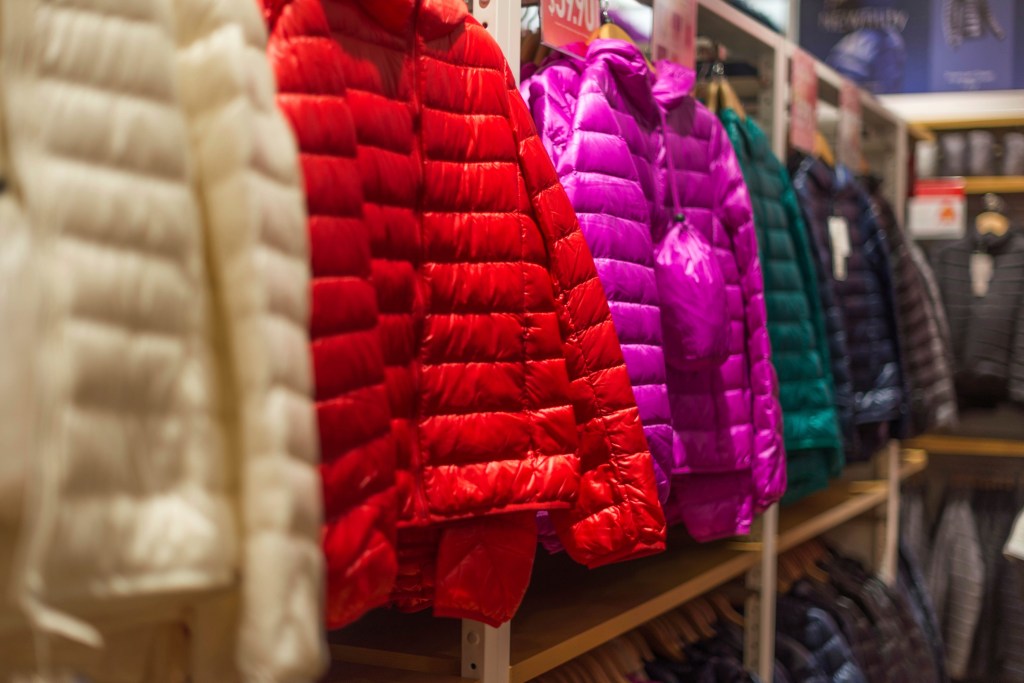
It’s Winter in Australia but only the southern parts have brought out the official uniform: puffer jackets. This lightweight fashion accessory has become the epitome of cold weather clothing, known for its magical shield against the harshest of winds. The recent cold snap has brought out the puffers in Australia, however, many may not realise they are also showing off some national pride. The original puffer jacket hails from outback New South Wales where, despite the tourism posters, Australia has plenty of bitter cold winter experiences. With a little bit of history, it’s easy to admire the simple beauty of the puffer jacket and how to choose the best puffer jacket for winter travel.
History of the Puffer Jacket
When George Finch first wore his eiderdown coat’ in 1922, he was mocked for its hot air balloon fabric and bright green colour. Finch was the sole Australian invited on a British expedition to conquer Mt Everest, along with famous mountaineer Sir George Mallory. Both Finch and Mallory were well-known and well-respected for their climbing prowess. While Mallory was the epitome of British class and mountaineering style, Finch was the … less-popular invite, chosen purely because his skill was undeniable.
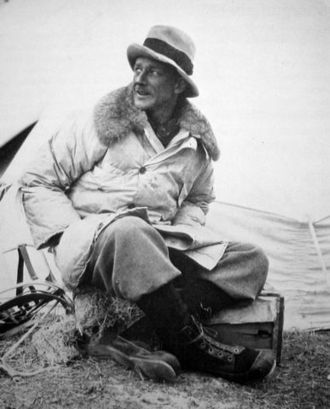
Image Public Domain Wiki
Finch was more than a climber. He was a scientist, born in Australia and educated in German-speaking Switzerland. He studied physical sciences at the University of Geneva and served with the Royal Army Ordnance Corps in World War I, receiving an MBE for his bomb-making skills. Originally, Finch studied medicine in Paris but changed to physical sciences, particularly Chemical Physics and Electrochemistry. The puffer jacket was an example of his clever practical mind. It was never a fashion statement. Finch was a very pragmatic man who knew the science and made it work for him.
Finch’s puffer jacket was one of two items to give him an advantage on Mt Everest; the other was bottled oxygen. By the time the expedition reached the first camp, the rest of the team was admiring Finch’s warm clothing and breathing assistance. Most of the respect was for the puffer jacket: Expedition photographer John Noel noted “Not a particle of wind could get through.” Sure, Finch didn’t look good but looking warm was better than looking frozen.
Since 1922, the Puffer Jacket design has been tweaked a little for both fashion and practicality. In 1936, Eddie Bauer created a down jacket with an outer jacket shell called “The Skyliner”. He was the first to sell and patent the design in 1939, with great similarity to the personal design of Finch. Another jacket designed in 1937 by Charles James was similar to both Bauer and Finch, however, the thick padding made it harder to move around.
The jacket style remained popular amongst outdoor enthusiasts for many years. Then in the 1970s, the style was modified to suit those with enough money to look like they partake in winter sports without the need to actually do so. Read: It was marketed as an evening layer or “sleeping bag jacket” for wealthy women. The puffer jacket gained a resurgence in the 1990s when ravers noted the versatility of puffer jackets: light enough to dance outdoors, cozy enough to keep the chill off while trekking home. Throw it in a few music videos and suddenly the humble ski gear is trendy again.
Today, the puffer jacket is seen everywhere on and off the ski fields. Be it kids soccer fields, outback farming stations, or simply walking down the wind tunnels of city streets, puffer jackets are the ultimate winter gear.
Why the Puffer Jacket is Perfect for Travel
Our secret for a great holiday is to pack light, travel hard. It may seem like an impossible task for travel in cold regions but there are a few items that help. Puffer jackets are possibly one of the best.
- Warm Me Up: Biggest tick goes to the main purpose of the Puffer Jacket – warmth.
- Don’t Weigh Me Down: Puffer jackets are super light.
- Turn Your Back on the Weather: The silk/nylon material keeps the cold wind out. You can also find slightly heavier materials that are water/snowproof, being the most valuable item you can take to a cold climate.
- Pack Me Anywhere: These jackets are highly compressible and pack into the tightest of spaces. They also fold up into the perfect size pillow or wrap around precious souvenirs without damage.
How to Choose the Perfect Puffer Jacket
The best choice for a puffer jacket comes down to three things: Filling, Fit, and Form. Fit and form are easy enough standards to meet, however, the filling used for puffer jackets raises ethical concerns and can be one of the earliest opportunities to make your travels more sustainable.
Filling: What Puffs a Puffer Jacket
The original (and let’s face it, the best) filling for puffer jackets is down; traditionally goose down. It is the light and fluffy cluster of filaments found at the base of larger feathers, usually under wings and around the chest. It is softer, odourless, and more flexible than other feathers. However, goose down is not always ethical. Originally, down was collected from the nests of ducks and geese, with no injury or interaction with the birds themselves and very little productivity. As global demand increased, businesses realised they couldn’t collect enough down by traditional methods. Today, most down is collected as a by-product of the food industry, often with little care for the animals’ welfare. Live-plucking (taking the down from living geese) is even worse. Don’t put that in your search terms; it’s even worse than it sounds.
There are some companies working with ethically-sourced down, identified by a blue logo awarded to those who meet the Responsible Down Standard–you can learn more about it here. In Canada, the most well-known certification program is Downmark which works tirelessly to ensure all products are of high quality and are humanely sourced. These initiatives are designed to help consumers learn more about the ethical practices within the down industry.
Alternatively, you can avoid the entire down industry and wear puffer jackets made from recycled materials. Both the shell and the filling of puffer jackets can be made with recycled PET plastic rather than newly-made polyester. These jackets can be ethically and environmentally better but unfortunately are often not quite as good as the original. No matter what you choose, make sure to use a garment wash bag when cleaning, to prevent any microplastics and microfibres from escaping into our waterways.
Fit: To Purpose
Not all puffer jackets are designed equally. The best thing you can do for your wardrobe, your pocket, AND the environment, is to buy a jacket that fits the purpose. If it’s for casual wear during winter, you probably don’t need a full ski jacket designed for mountain climbers. On the other hand, if the itinerary includes Aurora chasing in the arctic circle of Tromsø (Norway), then consider a longer cut ski-jacket with a hood and water/snow-proof shell. Trust me on this one. Many of the standard adventure stores will have a range of jackets to choose from along with staff to explain the differences.
Form: How It Looks
Last on the checklist is the form. You want to make sure the jacket fits right. Too big, and you’ll let all the cold air in. Too small and you won’t be able to move your arms, let alone carry anything. Start with the shoulders: make sure the seams joining the sleeves to the shoulders sit on the outside curve of your shoulder. When you lift your arms in front, there should be no tightness across the back and shoulder blades. This will ensure you have enough room to move your arms and torso.
There should also be enough space to comfortably zip close the jacket with one light jumper/sweater underneath. A good jacket will keep the cold wind off you, so you won’t need a heavy jumper. Speaking of wind, a little bit of length on the jacket will protect your back from chills. Any longer is a personal preference; same as whether or not to have a hood.

Fashion may come and go but certain practical items will always remain as staples in our wardrobe. They may be tweaked in design over the years but they never truly go away. A hundred years ago, those British mountaineers may have laughed at Finch’s gaudy green jacket and hoped such fashion would disappear in the night. And yet, practicality won out in the end. Today, it is no longer a question of ‘If a puffer jacket is a good idea’ but more of ‘how to buy the best puffer jacket for me and the environment. Lighter on your travels, and lighter on your travel conscience.
 Travel Better Life